Browse by family
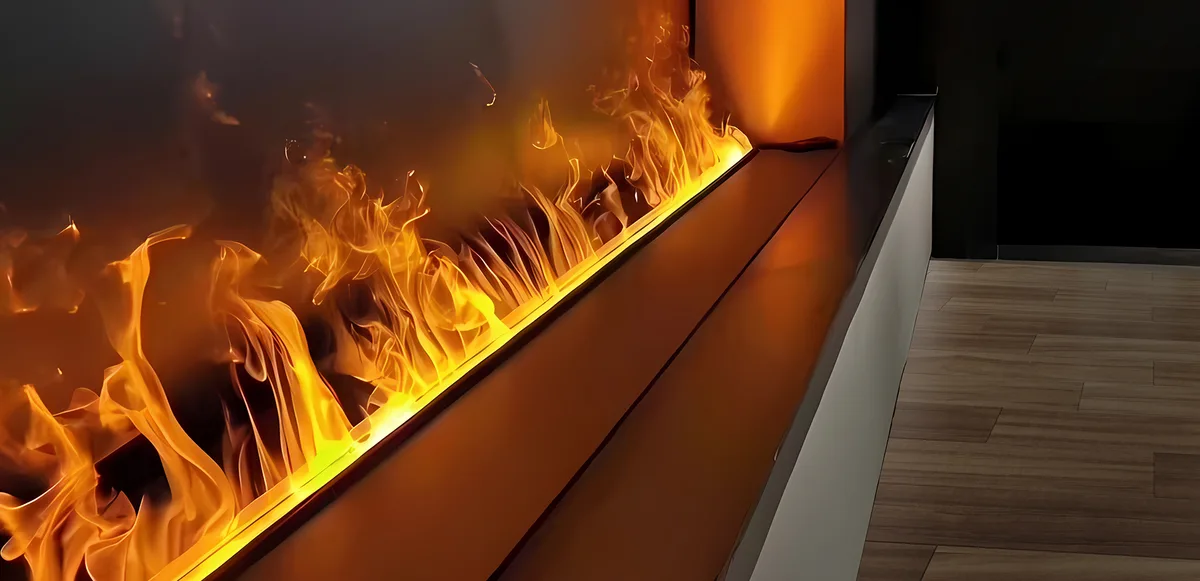
Ethanol Fireplaces
Real-flame fireplaces that burn bioethanol, in built-in, freestanding and wall-mounted forms.
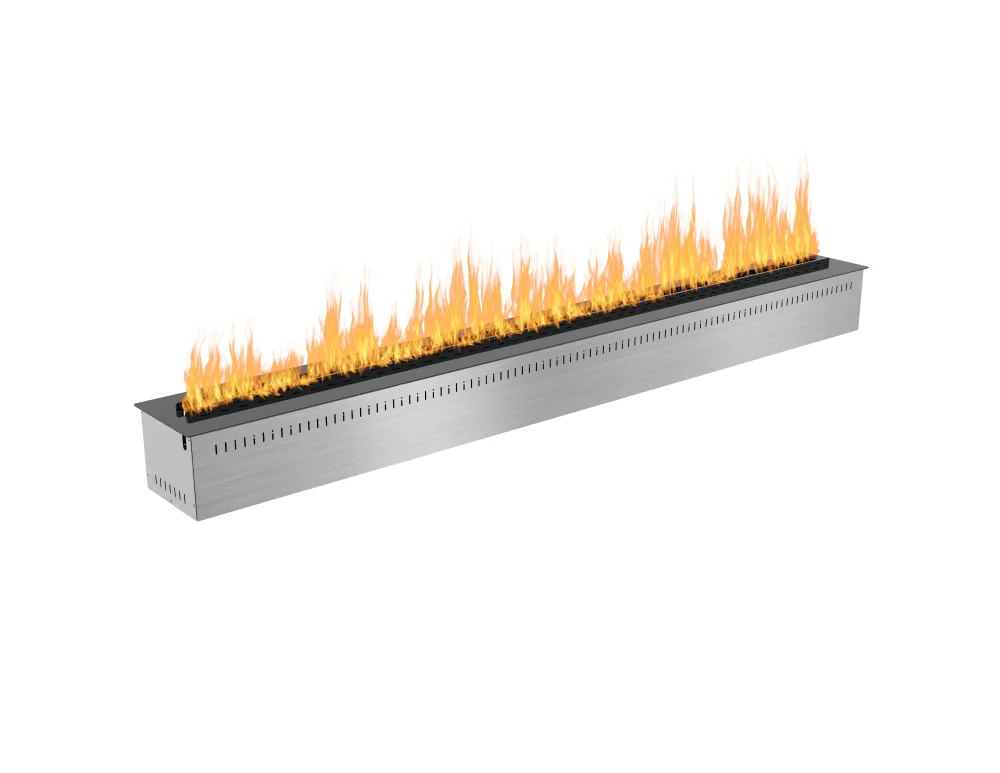
Water Vapor Fireplaces
Flame-effect fireplaces that run on water vapour and light, with no real flame.
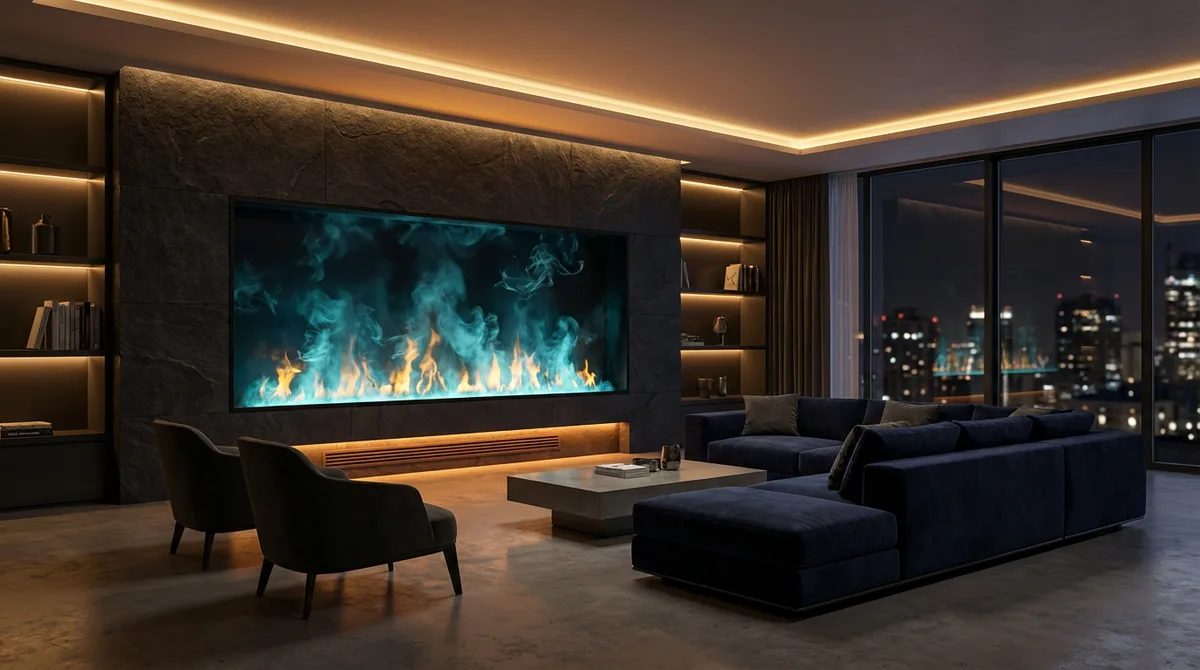
Electric Fireplaces
Electric flame-effect fireplaces, including a holographic ambience line.
Fireplace Boxes
Built-in fireboxes in single-sided, double-sided, tunnel and corner forms, made to order.
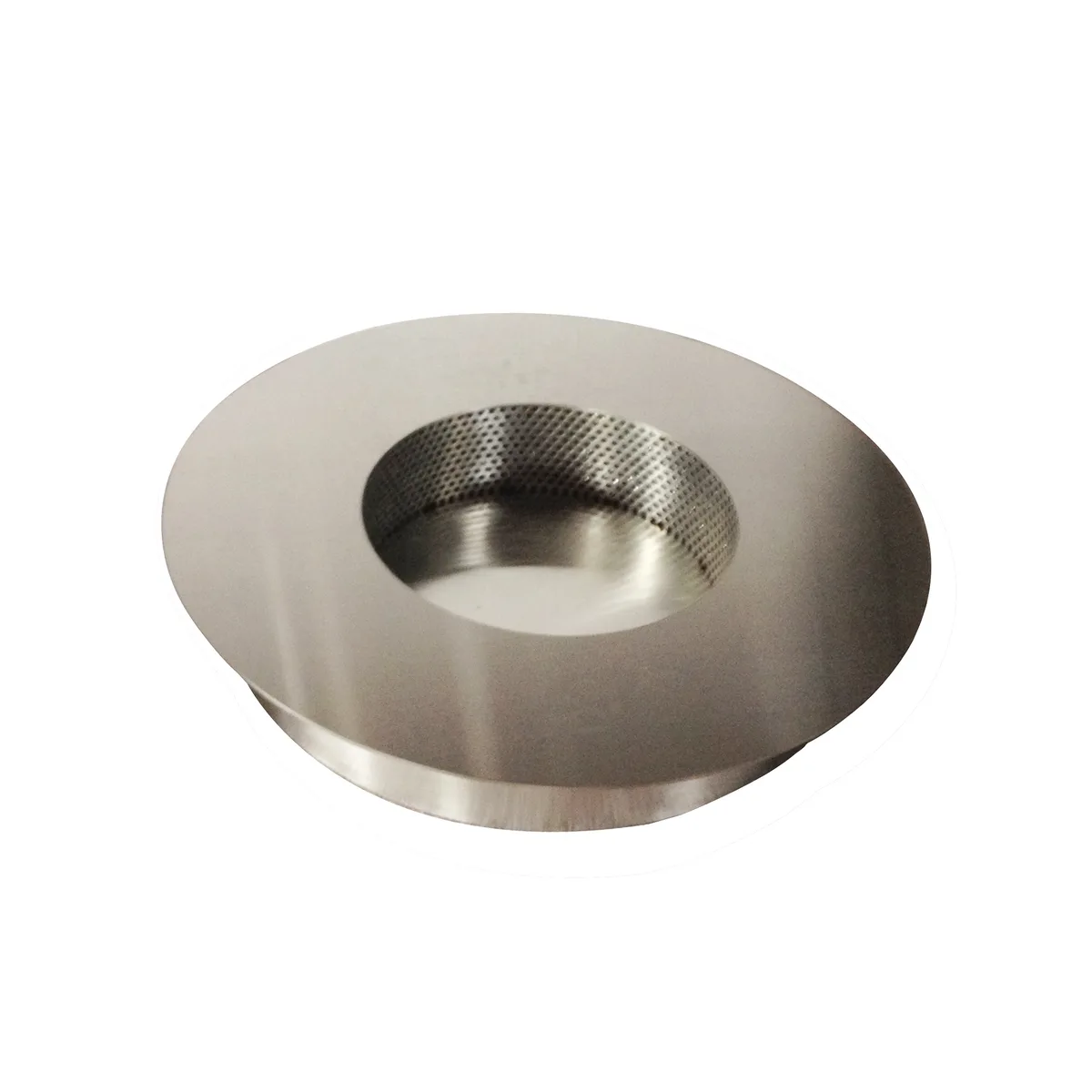
Ethanol Burners
Linear, rectangular, round and double-deck burners, plus burner inserts and decorative logs.
Tabletop Ethanol Fireplaces
Tabletop ethanol fireplaces and outdoor fire pits for smaller settings.
Start with the flame type, then the form
The range divides first by flame. Ethanol fireplaces burn bioethanol and give a real flame. Water vapor fireplaces build the flame from vapour and light, so there is no combustion in the room. Electric and holographic fireplaces draw the flame as an image or a reflection. Each flame type leads to a different set of forms, controls and installation questions, so the flame decision comes before the product list.
Within each flame type, the useful split is the form: built-in inserts and fireboxes, freestanding units, wall-mounted units, and tabletop pieces. A buyer who settles the flame type and the form first writes a shorter, clearer inquiry, because the remaining questions are about width, control and finish rather than about the whole catalogue at once. Buyers new to the range usually start from the room rather than the product: where the fire will sit, and who will use it, decide the family — and the family then decides everything that follows, from the fuel or the tank to the questions on the confirmation.
Real flame or flame effect: the first sort
Real flame suits rooms where a living fire is the point of the feature and where fuel handling is part of the routine. The ethanol range runs from slim built-in inserts to ultra-long linear fireplaces, with remote and app control on the smart line. Flame size is adjustable on the bioethanol models, and the burn is smokeless, so no chimney is needed for the installation.
Flame effect suits rooms where a real fire is not workable: apartments with restrictions on open flame, commercial interiors that run long hours, and family rooms where a cool-touch feature is preferred. Water vapor inserts give a three-dimensional flame that can be touched safely, and the holographic line gives a reflected flame image with no heat output at all. Both run on electricity and water or on electricity alone.
Built-in, freestanding and wall-mounted forms
Built-in forms are the largest part of the range. Fireplace inserts drop into a prepared opening, and fireplace boxes are built as single-sided, double-sided, tunnel or corner constructions, made to order at custom widths. The burner is the working part inside most built-in features, and burners are also supplied on their own in linear, rectangular, round and double-deck forms.
Freestanding and wall-mounted forms suit rooms where the wall or floor plan is already settled and the fireplace is added to it. Tabletop ethanol fireplaces and outdoor fire pits cover the smallest settings: a table centre, a terrace, a garden seating area. For every form, the questions that matter are the opening or the wall, the width, and the control type, and all three belong in the inquiry.
Custom widths and made-to-order fireboxes
Custom work is a standard part of the range rather than an exception. Fireboxes are made to order, and slim built-in ethanol models are offered at customised widths, so a feature wall can be planned around the fireplace instead of the other way round. A custom inquiry should carry the opening width, the viewing sides, and the control type from the start.
Made-to-order pieces take their shape from the brief: single-sided for a flat wall, double-sided for a divider, tunnel for a see-through feature between two rooms, corner for a wrapped view. The custom ethanol fireplace page and the fireplace box pages take each form in turn, with the points to confirm for that form set out beside it.
Controls: remote, app and smart-home links
Control is the second sorting question after form. Many models in the range are operated by remote control, the smart ethanol line and the water vapor inserts add app control, and smart-home integration is part of the published range: the ethanol category works with home automation systems, and the vapor models connect through common smart-home platforms. The control requirement belongs in the inquiry beside each item, because it can differ across a single order.
A buyer sorting a mixed list should mark each item with its control type before sending: manual, remote, app, or linked to a home system. That one pass removes the most common source of follow-up questions, and it keeps the quote tied to the items as specified rather than to a default configuration.
Two flame families in one order
Projects rarely belong to one family alone. A hotel may set smart ethanol inserts in its suites, vapor inserts along the spa seating, and a holographic feature in the lounge; a residence may pair a real-flame feature in the living room with flame effect in the bedrooms. The range is organised so that one list can hold all of it: the family is marked on every line, and each line is confirmed against its own family's questions — openings and fuel handling for ethanol, tanks and running hours for vapor, heat requirements for electric.
That organisation is also how the guides should be read: as one buying method applied family by family. The comparison guide weighs real flame against flame effect, the sizing guide takes the made-to-order measurements, and the safety guide states the routines a real flame asks of its room. A buyer who settles the family per room first, and the form per family second, arrives at a list that can be quoted as written — which is the only kind of list this range is priced against.
Writing the inquiry: lists, quantities, markets
A complete inquiry is a product list with quantities beside each item, the destination market for the list as a whole, and the open questions beside the items they belong to. Form, width, control and finish requirements sit beside their items in the same way. Certificates are available upon request, and questions about them belong in the inquiry as well.
Keep the list, the quantities and the questions in one message, and keep the message with the reply when it comes. A list that changes should be sent again as a whole list, with the changes inside it, so the record stays in one place and no item is left carrying a question from an earlier version.
Guides from the blog
- What is an ethanol fireplace? — The fuel, the flame, and the main forms an ethanol fireplace takes.
- Ethanol fireplace safety basics — Refuelling, cooling and room checks to settle before a burner is lit.
- Water vapor vs electric flame effects — How vapour and electric flame illusions differ, and where each fits.
- Custom firebox sizing — The opening measurements and questions to settle before a firebox is ordered.
- Ethanol burner types for built-in fire features — Linear, rectangular, round and double-deck burners, and how buyers sort them.
- Holographic fireplaces for commercial ambience — Where a heat-free holographic flame effect earns its place.
Related pages
Send an inquiry
Use the inquiry form on the contact page. Include the product list, the quantities, the destination market, and anything to settle in writing.