Smart Fireplace Integration
Smart fireplace integration folds the fireplace into the home's own systems: app control, voice platforms and automation links across the smart ethanol and vapor lines.
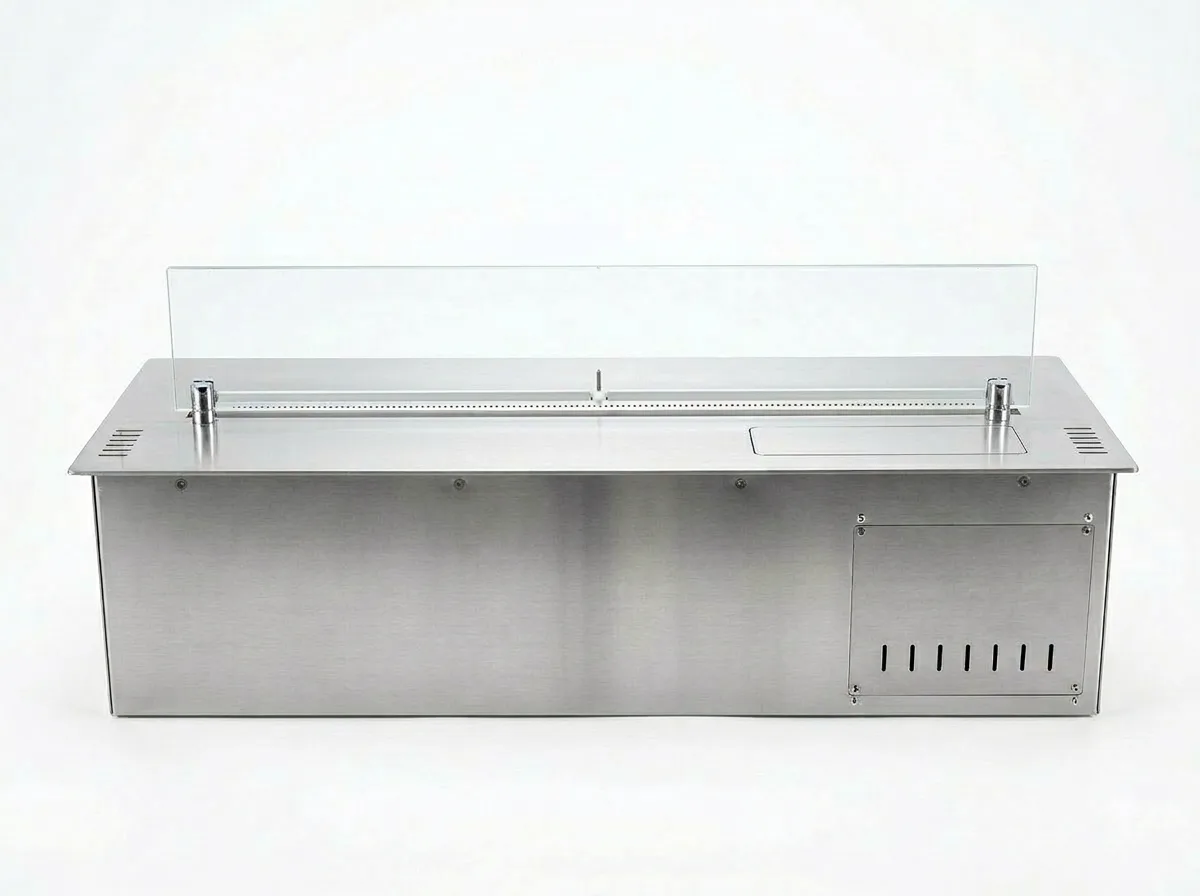
What integration covers: smart fireplace integration
Integration means the fireplace stops being a standalone appliance with its own remote and becomes a device in the home's system: lit by a scene, adjusted by voice, scheduled by an app. Two of the range's families are built for it. The smart ethanol line carries remote and app control with smart-home compatibility; the water vapor family adds WiFi control and published works-with links to the major voice platforms through its control ecosystem.
The fireplace side of integration is the manufacturer's; the system side is the buyer's. Between them sits one fact that decides whether an integration works: the platform named in the order. Getting that name into the inquiry, beside the items it covers, before the products are confirmed, is the practical heart of integration.
The platforms and the control ladder
The vapor family's published guidance describes its WiFi line working with the major voice assistants and the Tuya smart-home ecosystem: the fireplace joins the platform, and the platform's app, voice control and scenes run it. The ethanol smart line is published with smart-home system compatibility in the same spirit, its category description naming home automation connections such as Zigbee or KNX setups as the line's context.
Under the platforms sits the control ladder every integrated buyer should still specify: remote in the room, app from anywhere, platform over both. A fireplace can be integrated and still want its remote for guests and staff; the ladder is specified per item, not assumed from the word integrated.
Planning an integrated order
Plan the integration at the list stage. Group the items by the system they will join; name the system once per group; mark the control rungs per group. An order confirmed this way arrives with its integration already specified, and the commissioning questions that remain are the platform's own — accounts, rooms, scenes — rather than the fireplace's.
Buyers building a whole smart interior should treat the fireplace lines as they treat lighting and shading lines: devices with a platform, a room and a control path. The fireplace's difference is that it is also a fire or a flame effect, with its own family confirmations — openings, tanks, rooms — which travel in the same lines and are not displaced by the integration questions.
What to state in the inquiry
The inquiry for an integrated order is an ordinary product list with two extra fields per group: the platform's name and the control rungs wanted. Everything else — forms, sizes, quantities, destination — is the usual discipline. Buyers who are not yet sure of their platform should say that instead of guessing: an unstated platform can be advised on; a wrong stated platform is confirmed in writing and built to.
Integration also has a handover worth planning: the person who commissions the system is rarely the person who lives with it. A fireplace that joins a platform inherits the platform's accounts and habits, so the buyer's own handover — which account holds the home, which app the household actually uses — decides whether the integration is used daily or quietly bypassed for the remote. That is a buyer's-side arrangement, and naming the platform in the inquiry is what allows the product side of it to be confirmed correctly in the first place.
Related pages
Send an inquiry
Send your product list and quantities for a quote. Name the smart-home platform beside the items it will run.