Ethanol vs Water Vapor Fireplaces
Ethanol gives a real flame that burns; water vapor gives a flame effect that never burns. The right choice follows from the room, the audience and the routine.
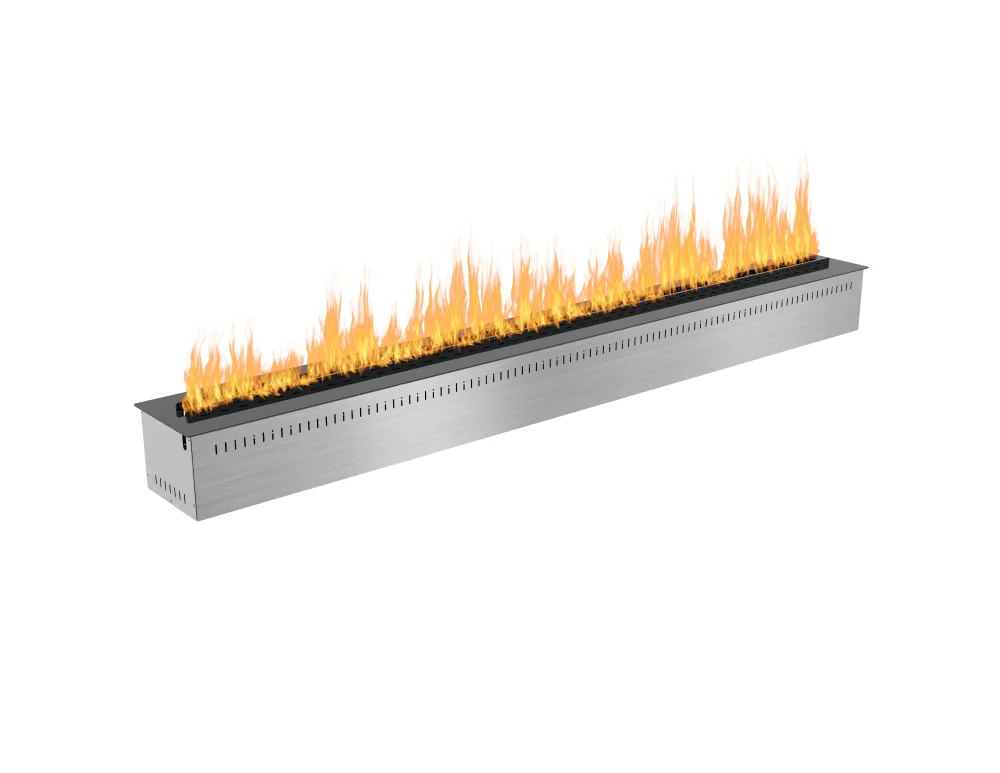
The core difference: ethanol vs water vapor fireplaces
An ethanol fireplace burns bioethanol and produces a genuine flame, with real heat at the fire and the obligations of a real fire: fuel handling, a cooling burner, a room that suits combustion. A water vapor fireplace produces its flame from water and light: nothing burns, the flame is cool to the touch, and the obligations are those of an appliance — water in the tank, power at the socket. Everything else in the comparison is a consequence of that one difference.
Neither family needs a vent. The ethanol family is ventless because its burn is smokeless; the vapor family is ventless because there is no burn at all. Buyers who arrive at the comparison from the ventless question should therefore not let it decide anything: it is the flame question, not the flue question, that separates the two.
The two families side by side
| Point | Ethanol fireplaces | Water vapor fireplaces |
|---|---|---|
| Flame | Real flame, burns bioethanol | Flame effect from vapour and light |
| Heat at the flame | Real heat from the fire | Cool flame; heat only from heater models |
| Consumable | Bioethanol fuel, poured into the burner | Water in the tank |
| Touch | A real fire, kept at a distance | Cool to the touch while running |
| Control | Manual, or remote and app on the smart line | Remote, WiFi and app |
| Best setting | Where a real fire is the point | Where people sit close, for long hours |
Read the table as consequences, not as scores. The ethanol column's obligations are the price of a real flame; the vapor column's limits are the price of a flame that asks nothing. A buyer who knows which price their setting can pay has made the decision the table exists to support.
Rooms that suit each family
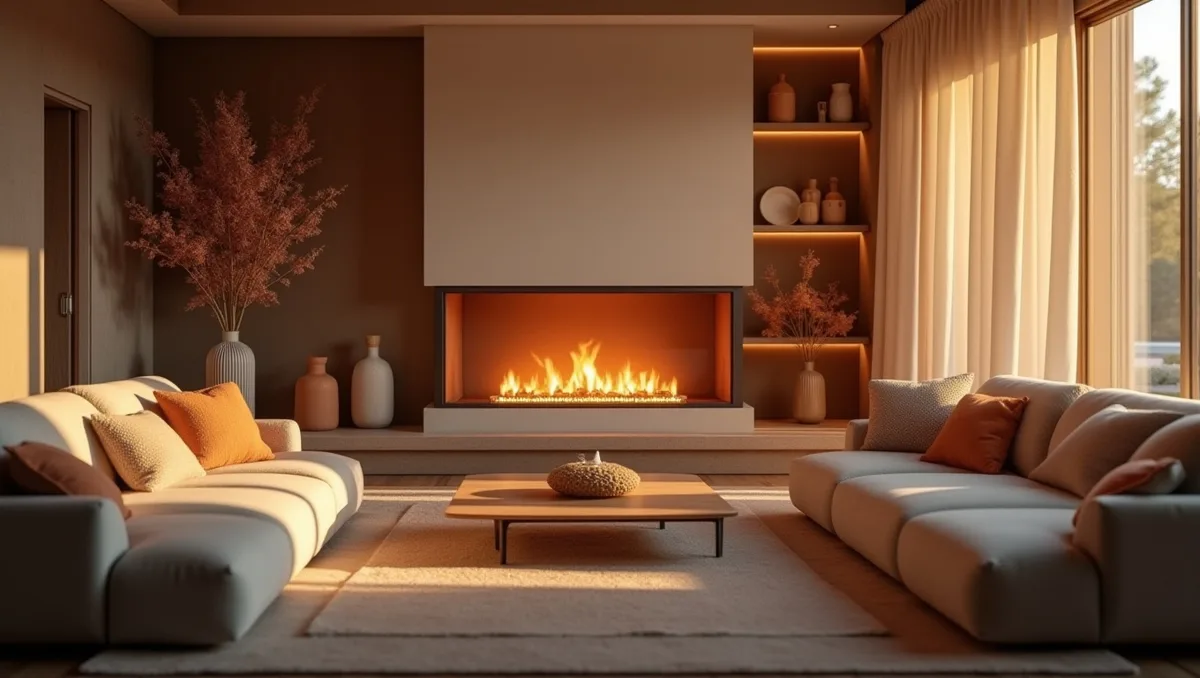
Ethanol suits rooms where the fire is the occasion: a living room's feature wall, a restaurant's focal piece, a residence that wants the ritual of a real flame. The audience keeps the distance a fire asks for, someone owns the fuelling routine, and the room's air suits a burn. Where those three hold, the real flame's presence is worth its obligations.
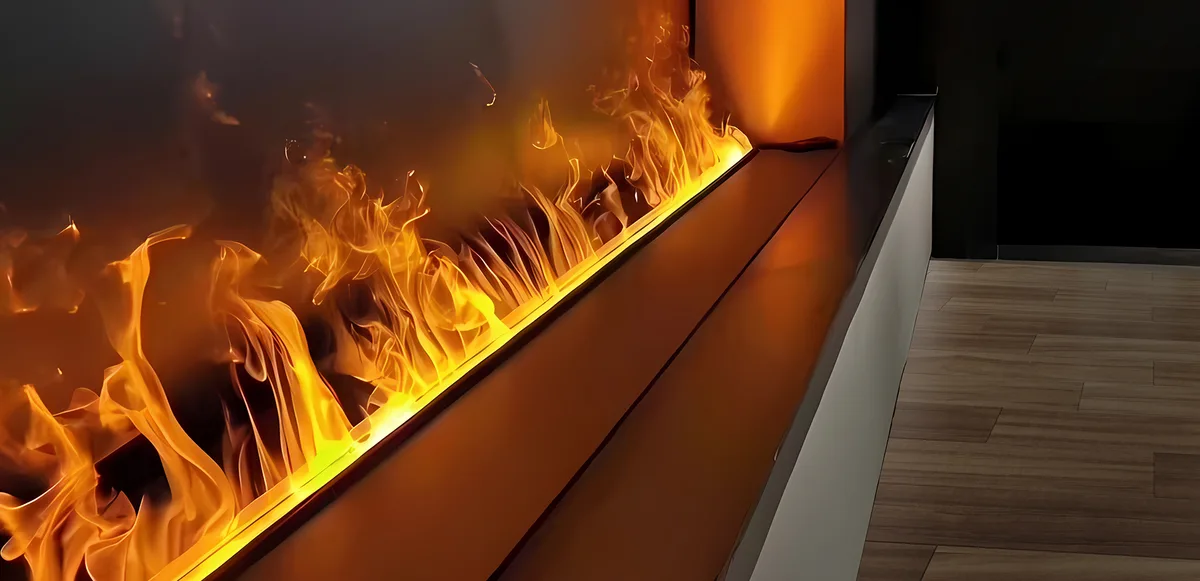
Water vapor suits rooms where the audience is close and the hours are long: lounges where guests sit beside the flame, spas and wellness spaces, family rooms with children moving around, venues that run the effect from morning to night. The vapour flame also suits rooms where combustion is simply not permitted or not practical, and it asks only for water and power in return.
Mixed projects and the third family
Projects regularly hold both families: ethanol at the focal point, vapour along the seating, each where its nature fits. The two are never substituted line for line in a list — a vapor insert cannot be confirmed with an ethanol checklist — so mixed projects mark the family on every line and confirm each group against its own pages.
The electric family stands behind both as the third route: inserts with heaters and the holographic series, for buyers whose brief is heat with an effect, or the most layered flame image at zero heat.
Related pages
Send an inquiry
Send your product list and quantities for a quote. Mark the family on every line of a mixed list.