How to Choose an Ethanol Fireplace
Choosing an ethanol fireplace is a sequence: the room first, then the installation, then the form, the size and the control — in that order, because each step narrows the next.
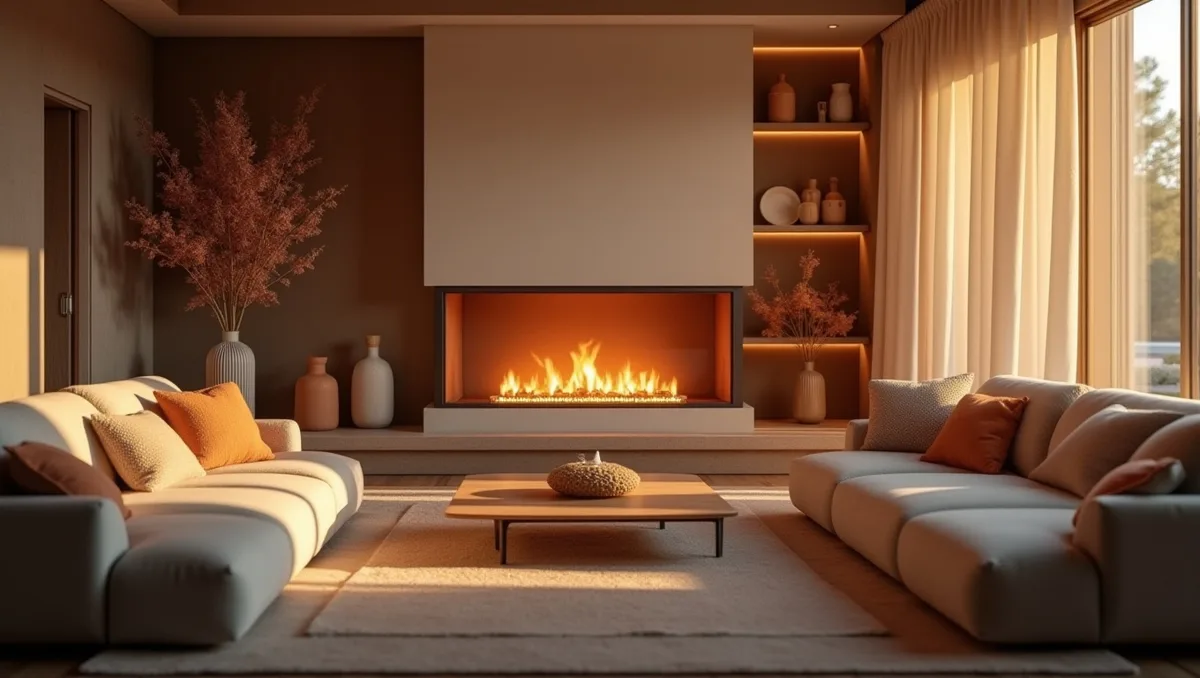
Start from the room: how to choose an ethanol fireplace
The first question is not which fireplace, but which room. A real flame needs a room that suits it: space for the audience to keep a natural distance, air that is refreshed in normal use, and a household or venue routine that will own the fuelling. Rooms that fail those tests are not failed rooms — they are rooms for the flame-effect families, and the honest first step is to sort the rooms before sorting any products.
The second question is the fire's job in the room. A focal feature watched from across the room, a divider flame between two seating areas, a background fire along a wall — each job points at different forms. Buyers who can state the job in a sentence find that the range sorts itself: most forms fall away, and the remaining choice is between close relatives.
Installation before form
Installation is the step buyers most often take too late. Built-in forms ask for an opening or a construction; freestanding forms ask for floor and a spot; wall-mounted forms ask for a wall that can carry them. Deciding the installation route before falling for a form prevents the commonest failed order: a built-in product chosen for a room where nothing can be built.
Within the built-in route, the second sorting is appliance against component: a complete insert where the opening is standard, a firebox where the viewing form is the design, a burner where the surround is bespoke. The three routes organise the whole built-in range, and each carries its own confirmation questions.
Size and control, in that order
Size follows installation. Built-in pieces are sized to openings and walls; placed pieces to their spots. Custom widths and made-to-order fireboxes exist precisely because real openings fall between standard sizes, so a buyer should measure first and treat a between-sizes result as normal, not as a problem. The sizing guides in the blog take the firebox measurements in detail.
Control is the last sort, and it is a routine question: who lights this fire, from where, how often. Daily fires in managed interiors earn remote, app and smart-home control; occasional fires lit by someone standing at them do not. Deciding control per room, like deciding family per room, keeps a mixed order honest.
The shortlist habit
A good shortlist is short because the sequence did its work: room, installation, form, size, control. What remains is a configuration that can be written as one line of an inquiry, with its quantity beside it. Buyers who keep a long shortlist usually skipped a step — most often the room step — and are choosing between products that were never all live options for the same space.
One habit ties the sequence together: write the decision down as it is made, in the inquiry itself. Room and job beside the line, installation route beside the form, measurements beside the built-in items, control beside the rooms that will use it. A list written that way is not longer than a vague one by more than a few words per line, and it is the difference between an order confirmed once and an order confirmed eventually.
Related pages
Send an inquiry
Send your product list and quantities for a quote. State the room and the installation route beside each line.