Ethanol Fireplace Safety Basics
Ethanol fireplace safety rests on a small set of habits around a real flame: how the burner is filled, lit, watched and cooled. This guide states the basics that apply across the range.
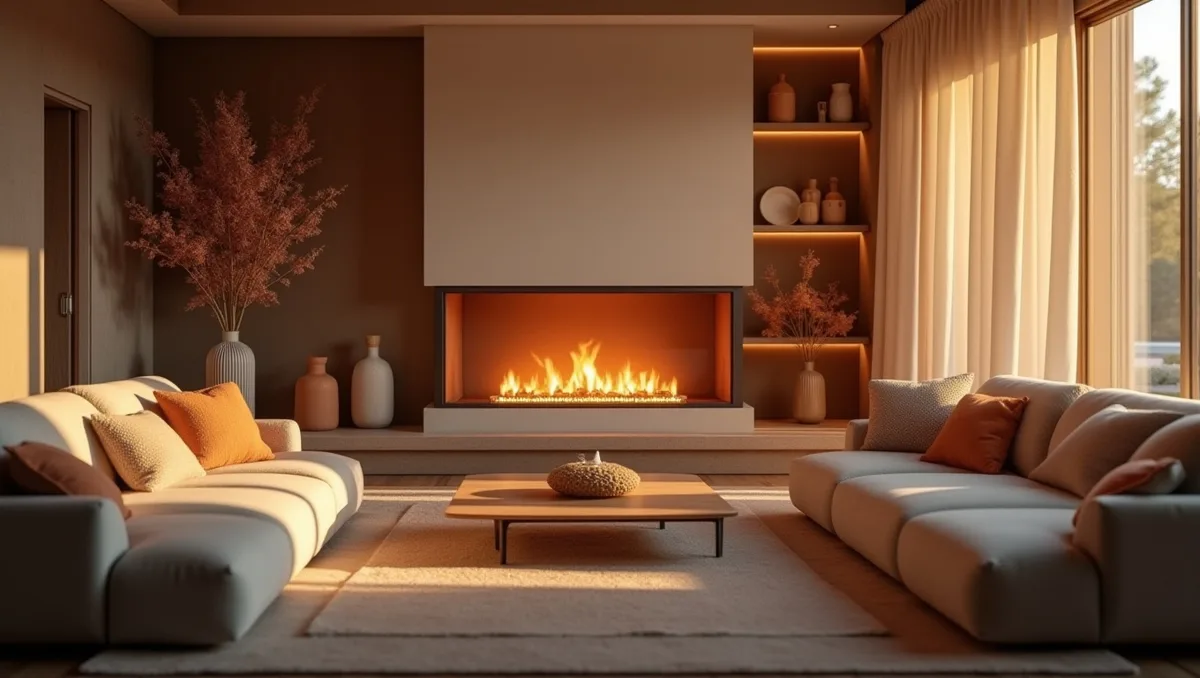
One rule before all others
Never add fuel to a burner that is burning, warm or hot. Fill only a cool burner, and let a burner that has been running cool fully before it is filled again. This single rule prevents the one accident pattern the product family is known for — fuel igniting outside the burner — and it outranks every other habit in this list. Households and venues should treat it the way kitchens treat knives: as the first thing taught to anyone who will handle the fire.
The rule has a planning consequence buyers sometimes miss: a fire that must run longer than one filling needs a plan that is not refuelling. Run the fire for the occasion it was lit for, let it end, and light it again cool — or choose a larger burner or a second unit at the ordering stage. Burn time questions belong in the inquiry, where they can be answered with product choices, not at the fireside.
Filling and lighting
Fill the burner on a level surface, with the fuel bottle controlled and any spill wiped before lighting. Fill to the burner's intended level rather than to the brim: an overfilled burner is harder to light cleanly and harder to shut down. Light with a long lighter or match made for the purpose, keeping hands and sleeves clear of the flame opening, and never lean over a burner while lighting it.
Smart models replace the match with electronic ignition under remote or app control, which removes the reach across the flame — one of the practical reasons managed venues specify the smart line. The fuelling discipline is unchanged by the ignition method: cool burner, measured fill, spill wiped, then light.
Clearances and surroundings
A real flame needs its space kept. Keep furnishings, curtains, paper and other combustibles at a sensible distance from the fireplace, and keep the area in front of the flame opening clear while the fire runs. Children and pets are kept back from a burning fireplace as they are from any fire, and a burning fire is not left unattended in a room that has emptied.
Surfaces matter as much as distances. Tabletop pieces stand on stable, level, heat-tolerant surfaces, away from table edges; freestanding pieces stand where they cannot be knocked; and no ethanol fireplace of any form is placed where a draught through an open door will worry the flame all evening. The placement points in each family's confirm box surface these decisions before delivery.
Fuel storage
Bioethanol is a flammable liquid and is stored like one: bottles closed, upright, away from heat and flame, out of children's reach, and never decanted into unmarked containers. The store belongs away from the fireplace itself — a cool cupboard or a utility space — so that the bottle and the flame meet only at the moment of filling, at a cool burner.
Venues running several fires keep the same discipline at scale: one storage point, a named person or role owning the fuelling, and a routine for cool-down before any unit is filled. The routine is written down where staff change shifts. None of this is equipment; it is organisation, and it is the difference between a venue that runs real fires well and one that has anecdotes.
Shutting down and cooling
Shut the fire down with the mechanism the product provides — the burner's shutter or control — rather than by improvisation, and let the unit cool in place. A burner that looks out may still be hot; cooling is judged by time, not by appearance. Covers and decorative media go back only on a cool unit, and a tabletop piece is carried only when it is cool and empty or secured.
If fuel is spilled, the response is unhurried and simple: keep ignition sources away, wipe the spill fully, ventilate the spot, and light nothing until the area is clean and dry. Fuel spilled on a warm burner is the scenario the first rule exists to prevent; spilled on a cool surface, it is a cleaning task, not an emergency, provided nothing is lit until it is finished.
Rooms and air
A burning ethanol fire consumes oxygen and releases heat and water vapour into its room. Normal rooms in normal use — doors opening, air moving — suit the family's ordinary sizes, while very small, sealed rooms and very large flames are a poor match. Buyers planning a large fire in a small room should raise the room in the inquiry, where the sizing conversation belongs, instead of discovering the mismatch with the fire lit.
The same honesty applies to settings that should not have a real flame at all. Where the audience cannot keep a distance, where no one can own the fuelling routine, or where local rules for a venue exclude open flame, the flame-effect families give the room its fire without combustion. Choosing them is not a compromise; it is the correct specification, and the comparison guides exist to make it cleanly.
A short routine to adopt
Adopt the routine as a list and keep it where the fire is used: fill cool, wipe spills, light without leaning, keep clearances, watch the fire while it runs, shut down by the mechanism, cool fully before refilling, store fuel closed and away. Eight habits, no equipment, and the product family's long record of uneventful evenings behind them.
Teaching the routine to a household or a team
Safety habits fail when they live in one person's memory. A household should be able to say who fills the fire, and every adult who will light it should have been shown the cool-burner rule in person, at the fireplace, rather than told it exists. A venue should go one step further: the routine is part of the shift handover, the fuel store has one keeper per shift, and a new team member's first lighting is supervised like their first use of any other working equipment.
The teaching takes minutes and needs no materials beyond the fireplace and its fuel bottle. Walk the sequence once — check the burner is cool, fill, wipe, light without leaning, watch, shut down, leave to cool — and the sequence tends to keep itself, because each step visibly causes the next. What teaching cannot fix is a setting that fights the routine: fuel stored far from a carried route, a fireplace hemmed in by furniture, a fire expected to run past its filling. Those are layout problems, and they are settled where this guide began — in the room, before the fire is lit in it.
Related pages
Send an inquiry
Send your product list and quantities for a quote. Raise burn-time and room questions in the inquiry, where they can be answered with product choices.