Ethanol burners
Round Ethanol Burners
A round ethanol burner draws the flame as a ring: a stainless bioethanol burner for fire tables, bowls and round features, watched from every side.
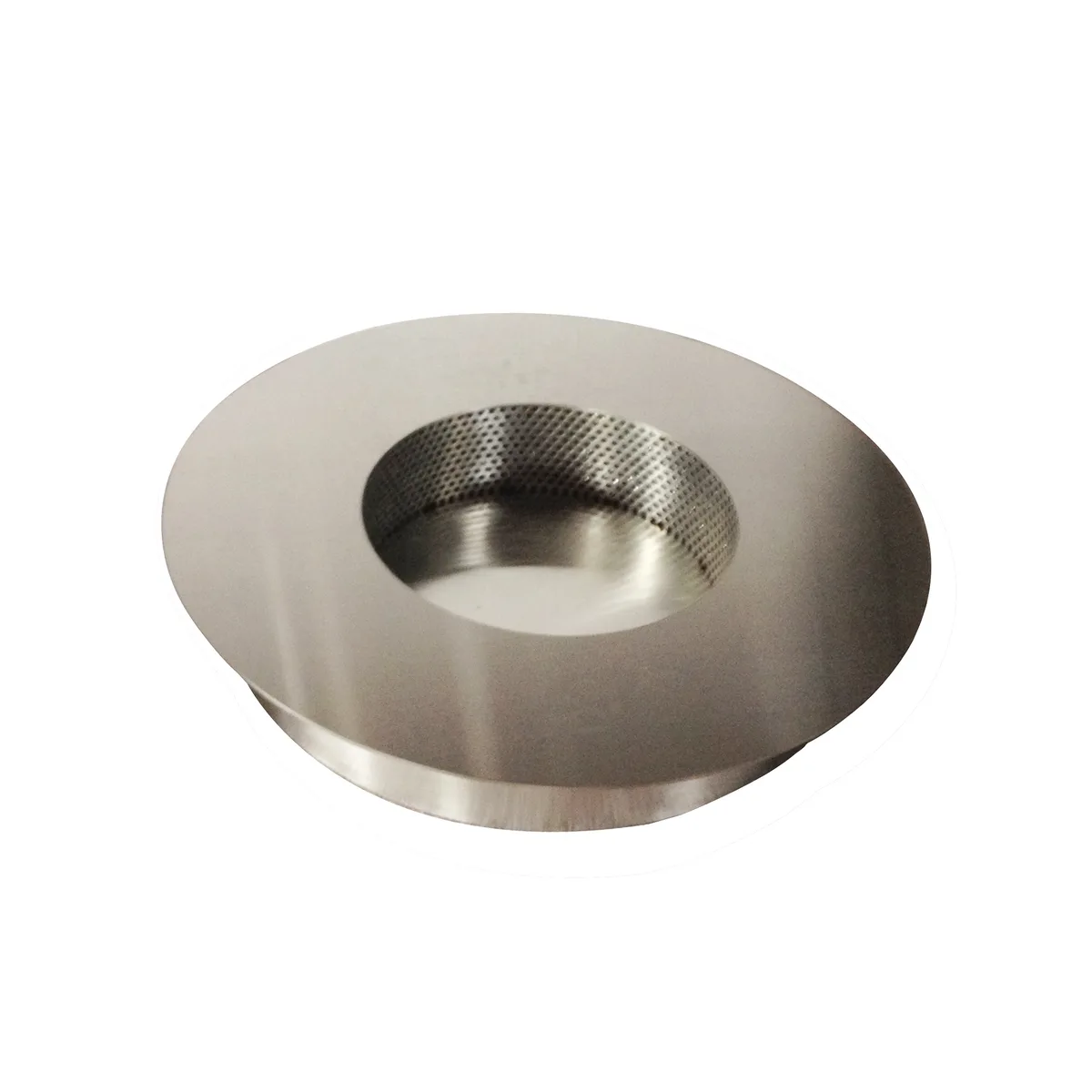
What a round burner does: round ethanol burners
A round burner is the compact circular member of the burner family: a stainless cup-form burner that burns bioethanol in a ring of flame. It is the working part inside round fire features — fire tables, fire bowls, garden features and large tabletop pieces — where the audience stands or sits around the fire rather than in front of it. The flame is real, the burn is smokeless, and the unit asks for no flue and no fixed installation.
Because the form is small and self-contained, the round burner is often the first ethanol product a buyer handles: it can be evaluated on a bench, carried to a site, and set into a test construction before a run is ordered. That portability is also its discipline risk — a burner placed in an unsuitable construction is still a burner placed wrongly, so the intended construction belongs in the inquiry even for a single unit.
Round burners in fire tables and bowls
The fire table is the round burner's home ground: a table with the burner at its centre, seating around it, the flame at the height of the tabletop. Bowls take the same burner in a raised vessel. In both, the construction around the burner — its material, its clearance from the flame, its stability — is the buyer's build, and the burner is confirmed against a description of that build.
Multiple burners in one construction are a regular pattern: a long table with two rings, a row of bowls along a terrace. The inquiry should state burners per construction and constructions per order, as two numbers, rather than a single total that hides the arrangement. The arrangement decides how the burners are packed and confirmed.
Round beside the other burner forms
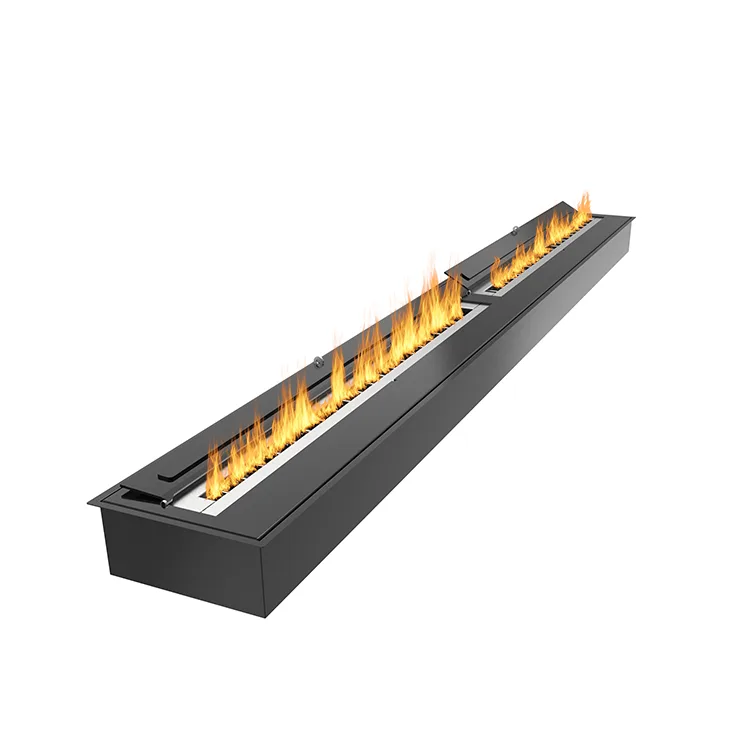
The linear burner serves a wall; the round burner serves a gathering. Buyers choosing between them are choosing the social geometry of the fire — faced, or surrounded. Projects often hold both: linear burners in the built features, round burners in the furniture. The two forms are separate lines in the inquiry, with their constructions noted beside each.
Against a complete tabletop fireplace, the round burner is the component route: the buyer who wants a finished piece buys the tabletop product; the buyer with a table or a bowl of their own buys the burner. The inquiry's form field is what keeps the two apart.
Confirming a round burner order
| Point | What to confirm |
|---|---|
| Intended construction | Fire table, bowl or other, described in a line |
| Arrangement | Burners per construction, constructions per order |
| Construction material | What surrounds the burner, and its clearance |
| Quantities | Beside each arrangement, not as one total |
The arrangement line does the same work for round burners that the recess dimensions do for linear ones: it is the fact the confirmation cannot supply on the buyer's behalf. Two numbers — burners per construction, constructions in the order — carry it completely.
Spares are a sensible final line on a round burner order for venues. A burner is a working part in daily use, handled at every fuelling; a venue that keeps a spare keeps a damaged or worn unit from becoming a dark table while a replacement travels. Residences rarely need the line; a terrace full of fire tables usually writes it without being asked.
Related pages
Send an inquiry
Send your product list and quantities for a quote. Describe the construction beside each round burner.